The Task
Glass and carbon fibre composites are the automotive industry's go-to for lightweight, high-strength parts, but they're costly to produce sustainably. Natural fibre composites — made with plant fibres like hemp and bio-based resins — are being explored as a greener alternative, and some prior research suggested that pairing a natural fibre with a natural resin could actually outperform synthetic combinations mechanically. This research set out to test that: are there real differences in mechanical performance across natural and synthetic fibre/resin combinations, including under different moisture conditions?
Process
Four composite combinations were produced — hemp fibre with bio-epoxy, hemp with synthetic epoxy, glass fibre with bio-epoxy, and glass with synthetic epoxy — using a vacuum infusion method, layering woven fabric in multiple orientations before curing under vacuum. Half of each sample set was submerged in water for five days to simulate high-moisture conditions, with the rest kept dry as a control.
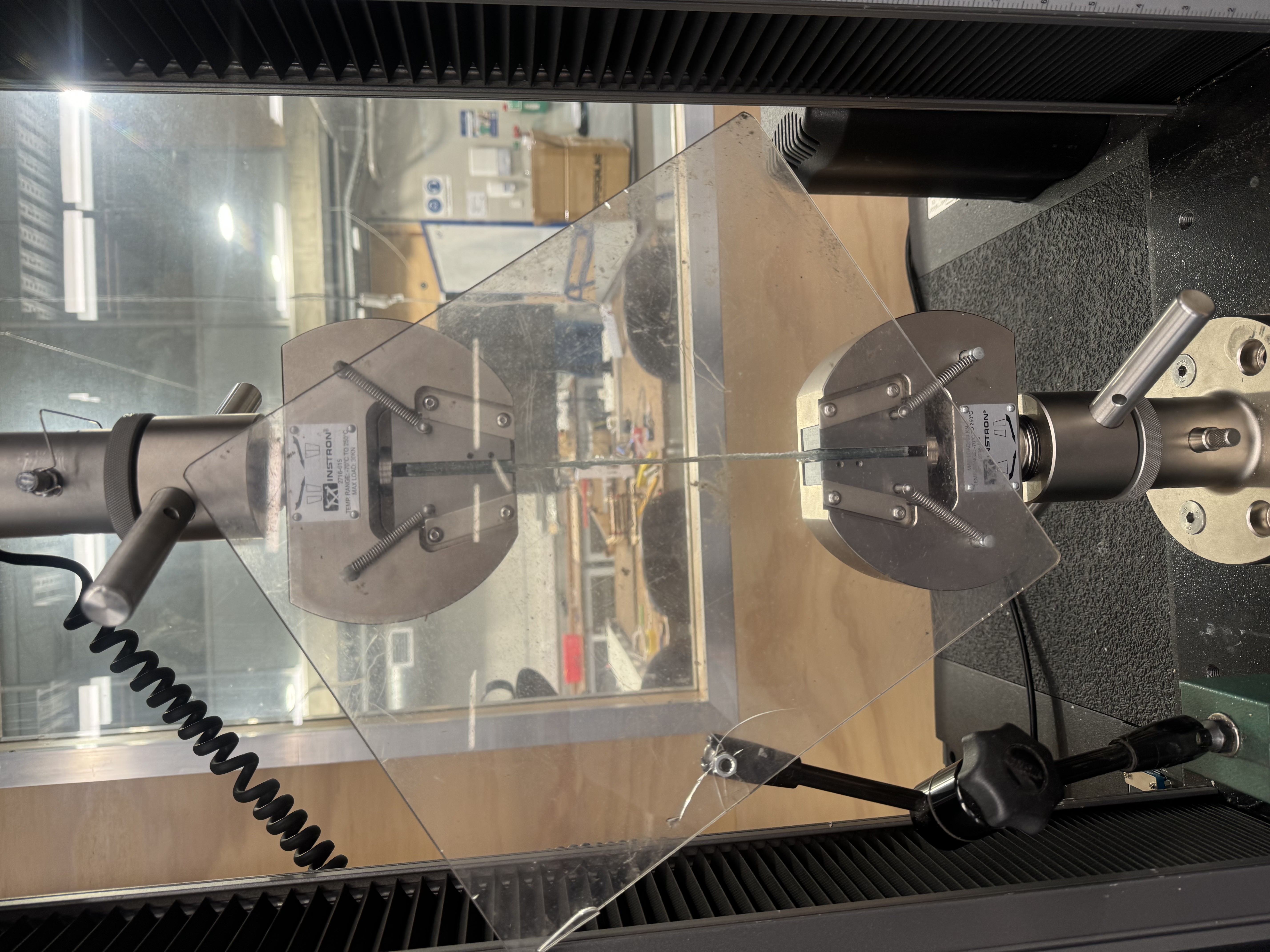
Samples were tensile and flexural tested on an Instron testing machine, following ASTM D3039 and D7264 standards, and the results were analysed statistically using t-tests at a 95% confidence level to determine which factors — fibre type, resin type, or moisture — actually drove differences in strength.
Results & Conclusion
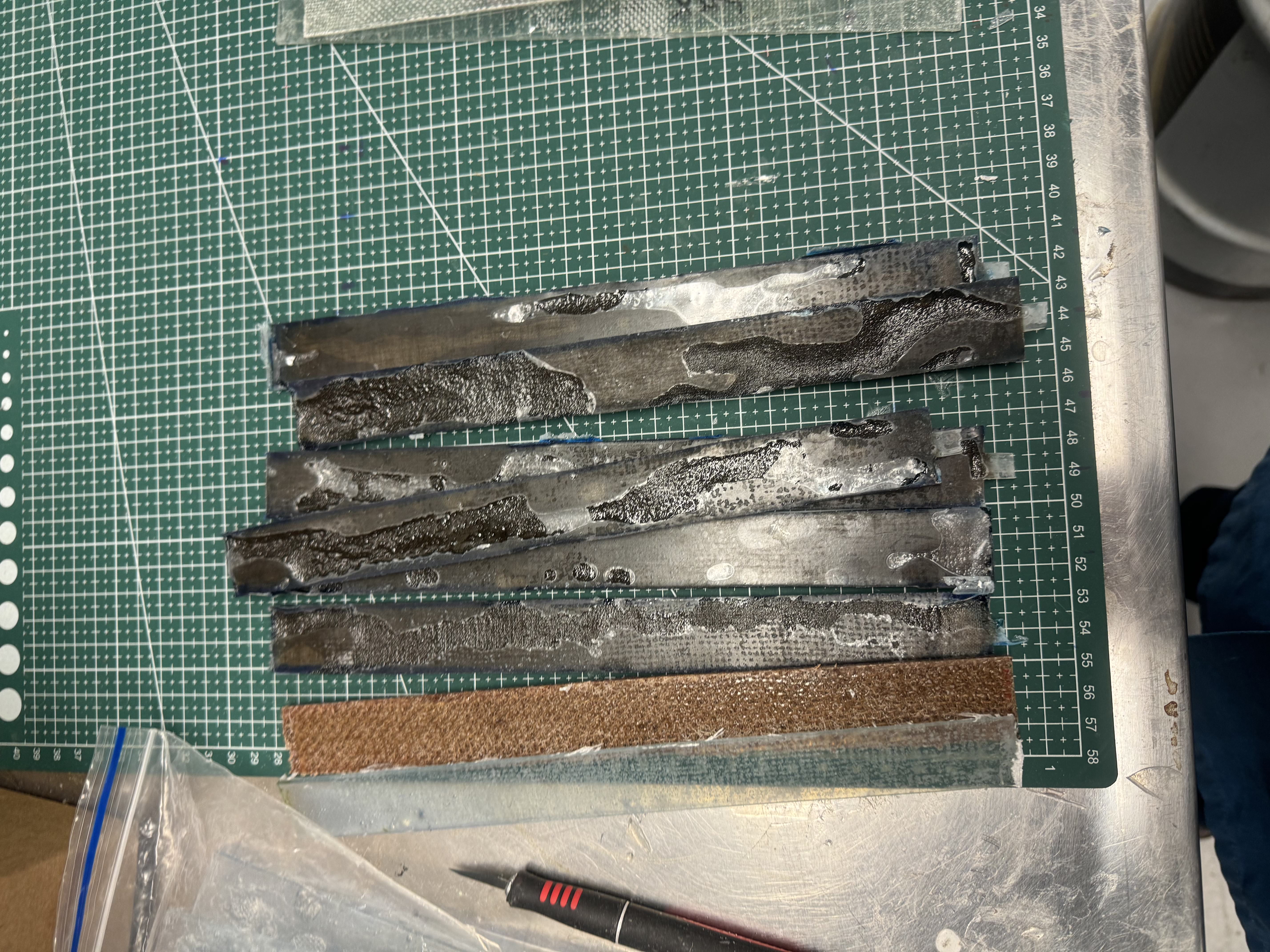
Fibre type was the only factor that produced a statistically significant difference: glass fibre composites were consistently stronger than hemp fibre composites in both tensile and flexural testing. Neither resin type (bio vs. synthetic epoxy) nor moisture exposure had a significant effect on mechanical strength — contrary to what some prior literature suggested.
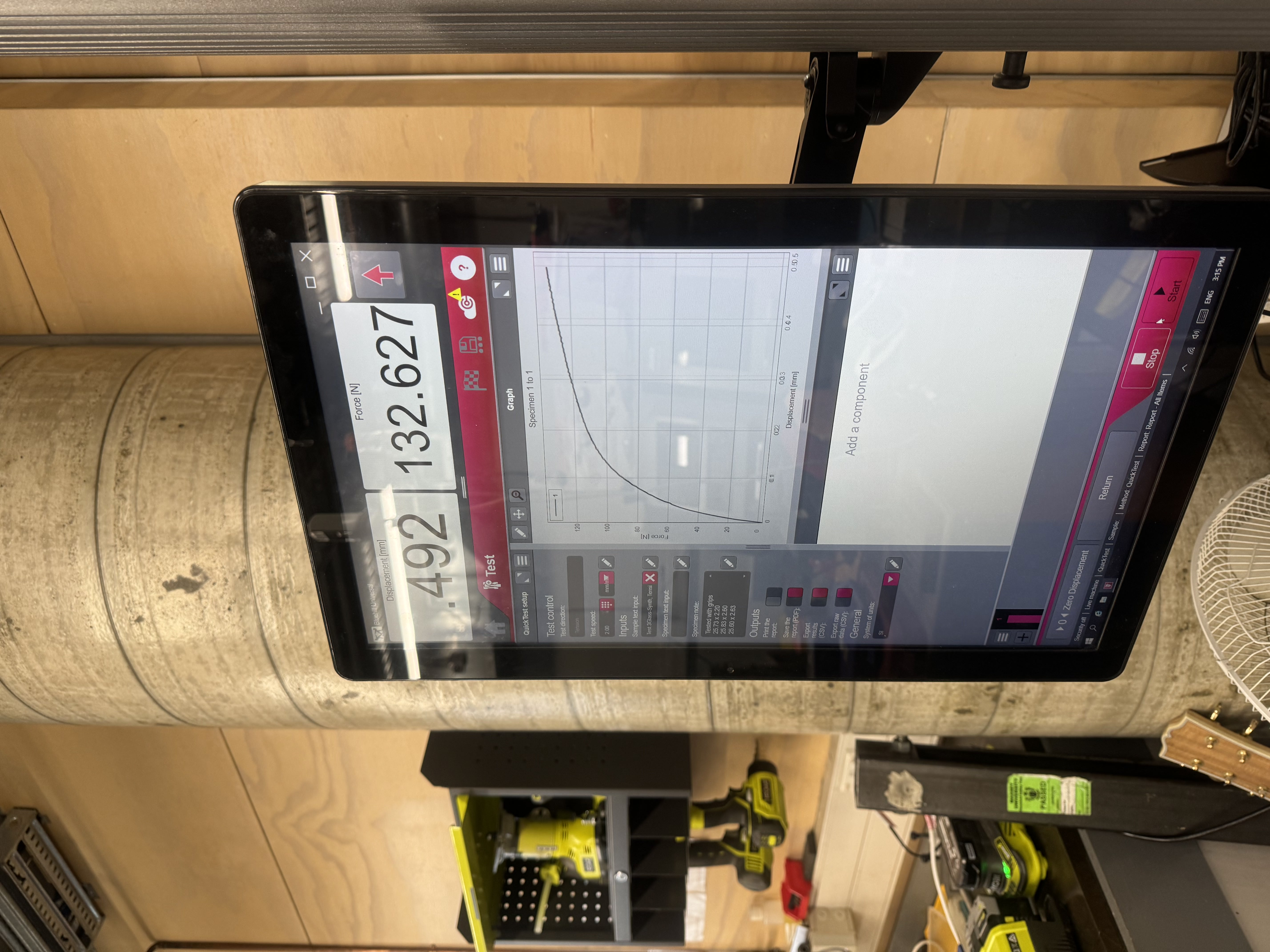
The conclusion was that, for the combinations tested, natural fibre composites don't offer a mechanical performance advantage over synthetic ones, regardless of resin type or moisture exposure. The main limitation was sample size — budget constraints limited testing to far fewer repeats than the relevant ASTM standards call for, so the recommendation for future work is a larger sample count to build confidence in the results.